A Meeting with Representatives of the State Labor Service and the Main Directorate of the National Police in Kharkiv region was held at Karazin University
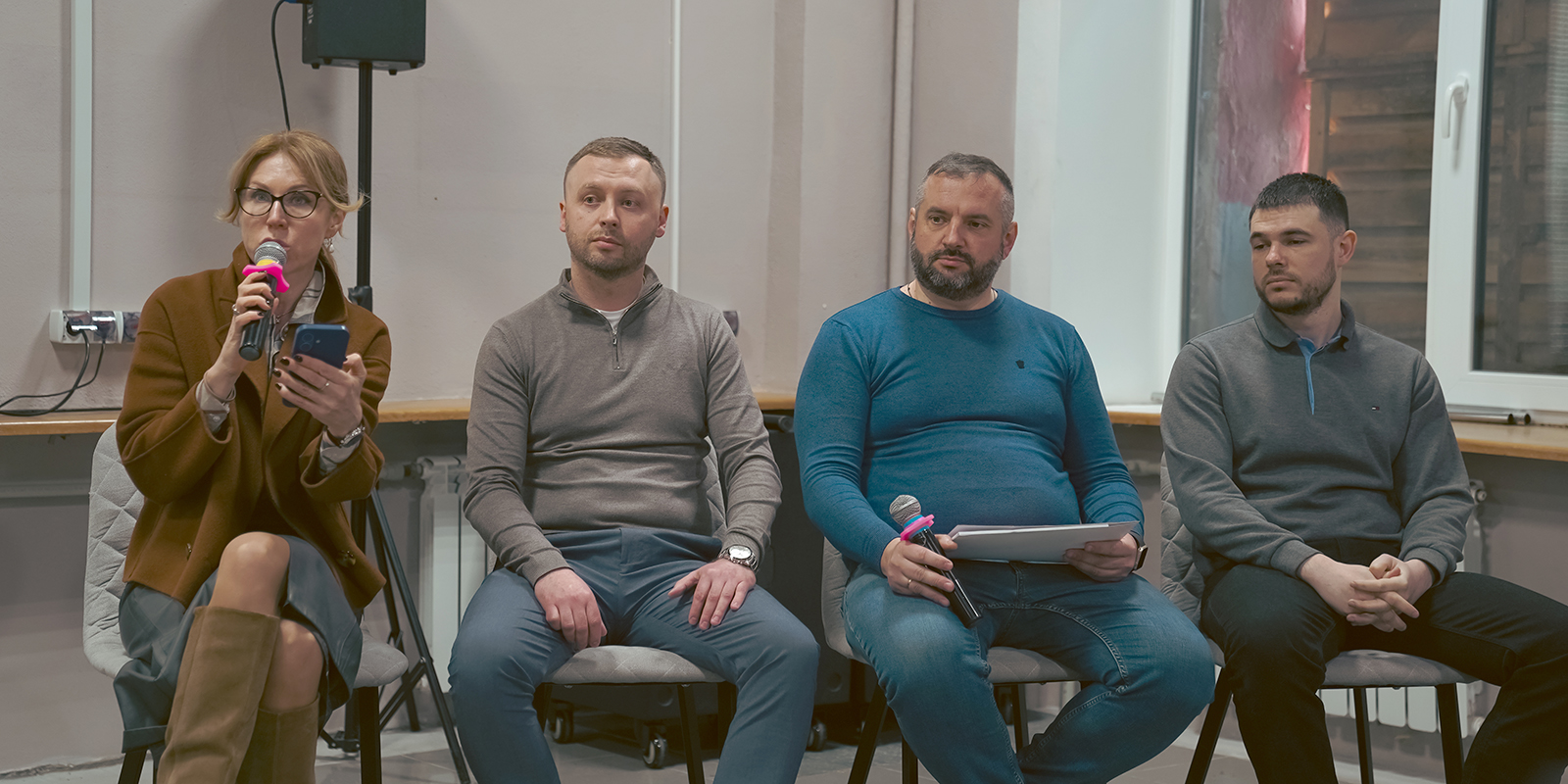
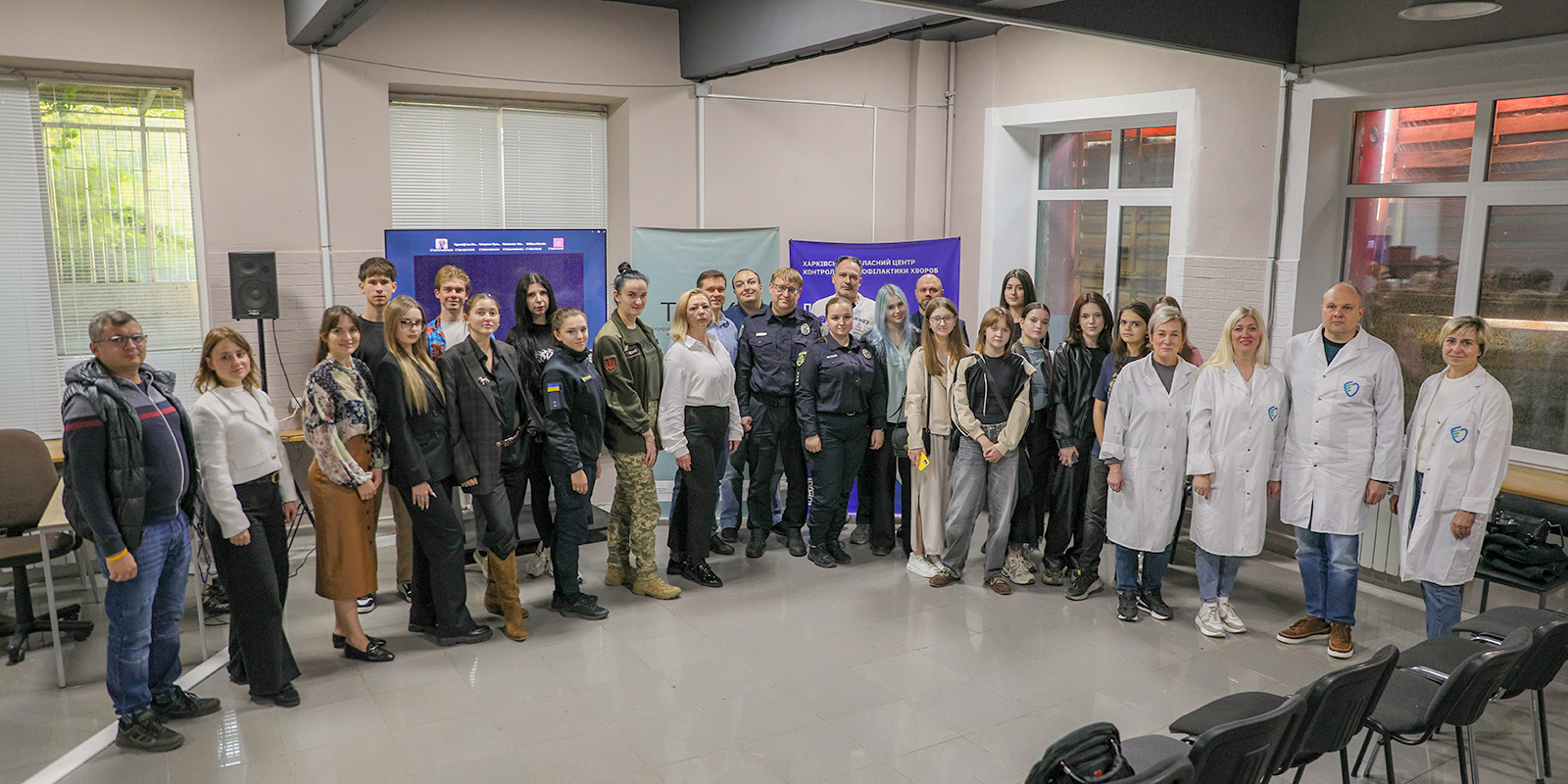
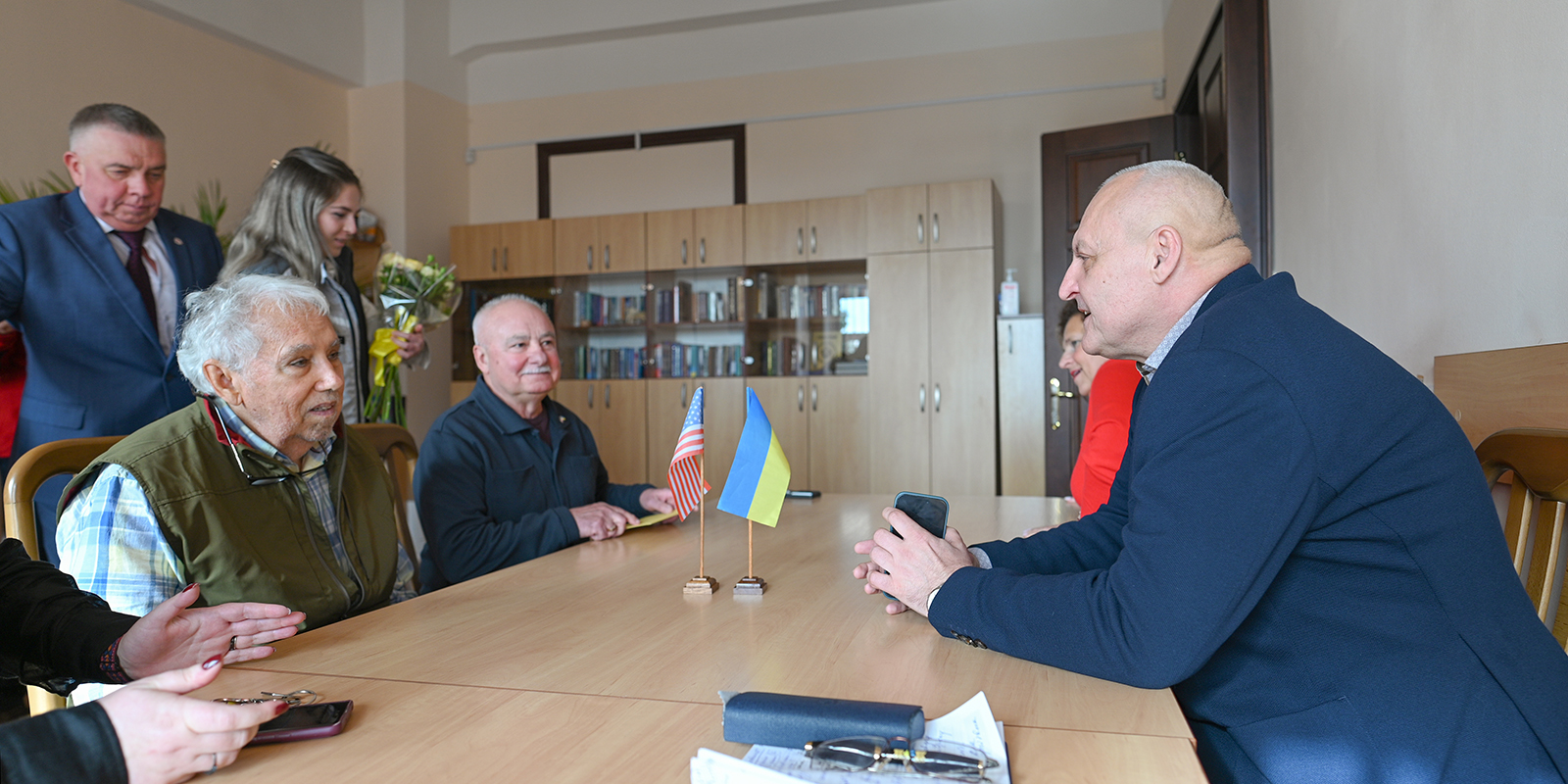
As part of Karazin Career Week–2026, an important meeting took place on March 30 between students of Karazin University and representatives of the North-Eastern Interregional Department of the State Labor Service, as well as the Main Directorate of the National Police in Kharkiv region.
The seminar addressed highly relevant topics for young people, including formal employment relations, labor exploitation, and combating human trafficking. Participants gained practical knowledge on the legal aspects of employment, learned about mechanisms for protecting their rights as employees, and became familiar with real-life cases of violations in the field of labor relations.
Particular attention was paid to the risks associated with informal employment. It was emphasized that working without official registration deprives employees of essential social guarantees, including paid leave, sick leave, insurance record, and pension benefits. Moreover, such workers are significantly more vulnerable to employer abuse, such as delayed or unpaid wages, excessive working hours, and unsafe working conditions.
A separate part of the seminar focused on identifying signs of labor exploitation and human trafficking. Students were informed how to recognize potentially dangerous job offers, what to pay attention to when seeking employment both in Ukraine and abroad, and where to turn in case of rights violations. Key warning signs included the absence of an employment contract, non-transparent payment conditions, restrictions on freedom of movement, and pressure from employers.
Following the meeting, participants reached an important conclusion: a conscious approach to employment, legal awareness, and critical thinking are key tools for protection against labor exploitation. The event became another step toward fostering responsible behavior among students in the labor market and enhancing their legal culture.

.jpg)
.jpg)
.png)