On Stress Awareness Day: Enemy or Ally?
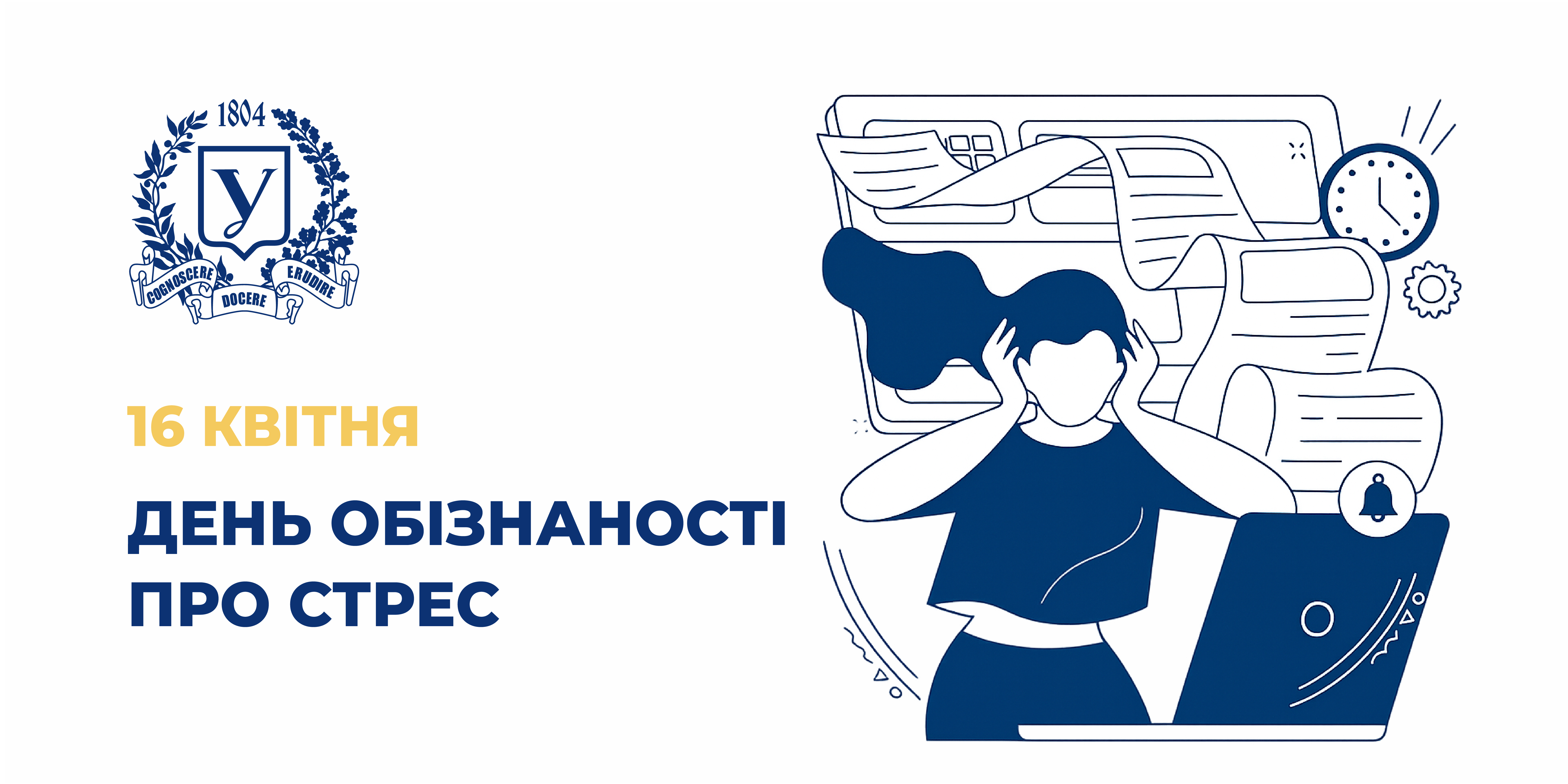
On April 16, Stress Awareness Day is observed, initiated by the British International Stress Management Association. This day aims to draw attention to the impact of stress on health and the importance of managing it.
Today, the word “stress” is used so often that it almost seems to lose its meaning. We become used to it as a background — like sirens, news updates, or constant tension. But in reality, stress is not just an unpleasant feeling. It is a complex physiological response that activates when we need to survive, adapt, and endure.
The paradox is that stress is not always our enemy. Sometimes it is the only thing that helps us focus, act, and avoid breaking down. But when it lasts too long, it starts working against us.
How do we understand that stress is no longer “normal”?
It does not always look like panic or fear. Often it is much quieter:
- you cannot concentrate,
- you make more mistakes than usual,
- you feel tired quickly,
- you get irritated over small things,
- you lose the sense of joy even from familiar activities.
The body also speaks: back pain, stomach tightness, disturbed sleep. And this does not mean you have become weaker. It means your body has been operating at its limits for too long.
What is happening to us?
Stress does not appear as a sudden crisis. It develops gradually. First comes mobilization: we are focused, fast, and effective. Then adaptation: we start to get used to the tension. And finally exhaustion: resources run out. This third stage is the most dangerous, because we often do not even notice when we reach it.
Why is everything so difficult now? Because we are living under chronic stress. And this is a completely different level of pressure. Children respond with fears, regression, and physical symptoms. Teenagers—with aggression or risky behavior. Adults—with exhaustion, anxiety, and emotional burnout. And all of this is a normal response to abnormal circumstances.
So what should we do? (Spoiler: not just “calm down”)
The main mistake is trying to simply “pull yourself together” and ignore the condition. In reality, what works are simple things:
- take a pause,
- step away from overload,
- allow yourself to rest,
- avoid taking on more than you can realistically handle.
It is also important not to live only through work or only through anxiety. Life should remain yours, not just a reaction to events.
Small actions that truly help. Sometimes just a few minutes are enough:
- breathe slowly,
- take a short walk,
- shift your attention,
- talk to someone close to you.
Even short breaks (5–10 minutes) can “reset” the brain and reduce tension.
And most importantly: stress is not a sign of weakness. It is a sign that you care, that you respond, that you are alive. But survival is not only about enduring—it is also about recovering in time. Sometimes the strongest decision is not to “keep going,” but to pause.
.jpg)
.jpg)
.png)