


Department of Neurology, Psychiatry, Narcology and Medical Psychology
The Department of Neurology, Psychiatry, Narcology and Medical Psychology is currently one of the leading departments of its kind in Ukraine. Its academic and clinical staff consists of highly qualified specialists, ensuring excellence in educational, research, and methodological work through innovative teaching approaches and integration of the latest scientific achievements.
The Department offers comprehensive instruction in the key clinical disciplines collectively referred to as Neurosciences. Since the “Decade of the Brain” initiative was adopted by many countries and international organizations at the end of the 20th century, the term neurosciences has gained broader use, highlighting its major medical and social significance.
Advances in neuroscience have expanded modern knowledge of the nature and pathogenesis of neurological and psychiatric disorders, as well as approaches to diagnosis, treatment, and prevention. The introduction of advanced neuroimaging, biochemical, radioimmunological, and neurophysiological methods, alongside research on the mechanisms of action of psychotropic medications, has opened new horizons in understanding brain function in both normal and pathological conditions. This has resulted in the development of innovative diagnostic and therapeutic strategies for nervous system and mental disorders.
History
The Department of Neurology, Psychiatry, Narcology and Medical Psychology is among the youngest departments of the School of Medicine of V. N. Karazin Kharkiv National University.
It was established in September 2017 by Order No. 3501-1/346 of 12 September 2017 and commenced operations on 1 November 2017. The Department is located at its clinical base — the State Institution “Institute of Neurology, Psychiatry and Narcology of the National Academy of Medical Sciences of Ukraine”.
From its early days, the Department has been led by Professor Tamara Serhiivna Mishchenko, Doctor of Medical Sciences, Honored Worker of Science and Technology of Ukraine, and Academician of the Academy of Sciences of Higher Education of Ukraine.
The majority of the Department’s founders were specialists of the Institute, an institution with a 95-year history of development and major contributions to Ukrainian neuroscience.
The origins of local neuropsychiatric science can be traced to one of the oldest psychiatric hospitals in Ukraine — the Kharkiv Zemstvo Hospital, founded in 1796 (Saburova Dacha). It became a major center of psychiatric research, where distinguished scientists such as P. O. Butkovskyi, P. I. Kovalevskyi, M. V. Krainskyi, V. O. Hiliiarevskyi, Ye. O. Popov, K. I. Platonov, V. I. Yushchenko, M. I. Mukhin and others made invaluable contributions to the development of neurology, psychiatry and narcology in Ukraine.
On 28 September 2020, by the decision of the Academic Council of Karazin University, the department’s name was changed from Clinical Neurology, Psychiatry and Narcology to Neurology, Psychiatry, Narcology and Medical Psychology.
Facilities and Infrastructure
The Department is fully equipped to meet international educational standards.
-
Lecture rooms are equipped with multimedia systems and computers with Internet access.
-
Practical and seminar training takes place in 10 teaching rooms:
8 rooms located at the clinical base of the Institute,
2 rooms at the University’s Northern Building.
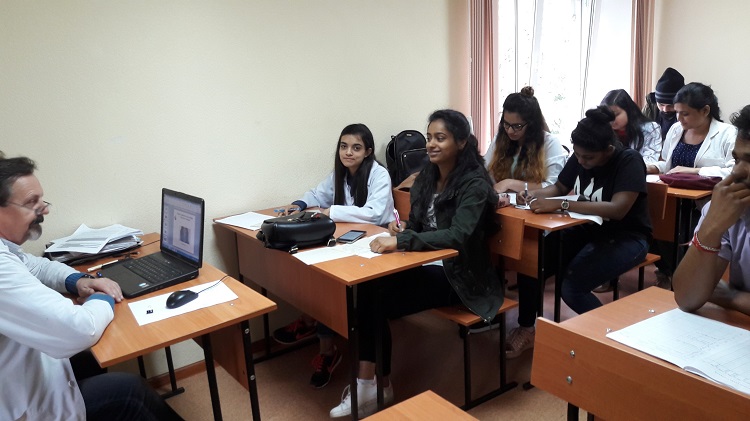
Classrooms are equipped with computers, multimedia devices, diagnostic instruments, demonstration tools, video systems and simulation resources. Students gain clinical skills through direct work in clinical departments, patient examination, and training with professional diagnostic equipment.
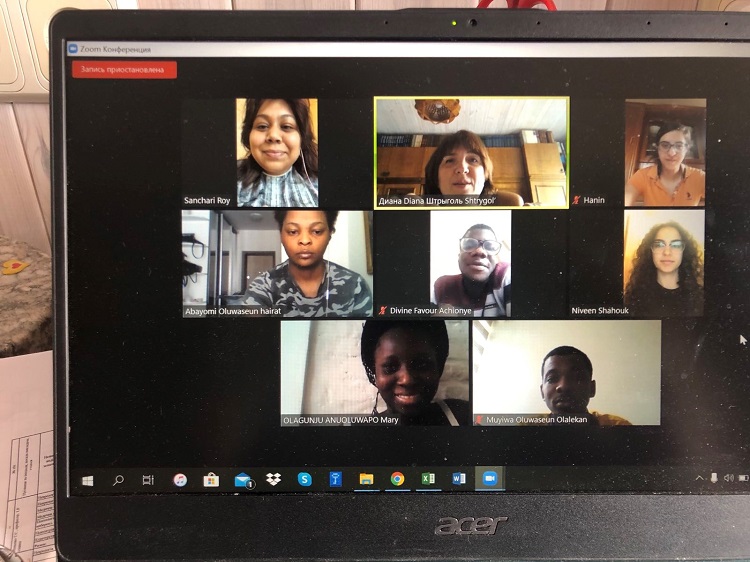
Distance-learning courses, along with a bank of educational video and audio resources, have been developed by Department staff.
Academic Staff
The Department employs:
-
6 Doctors of Medical Sciences, Professors
-
7 Associate Professors, PhDs in Medicine
-
10 Assistant Professors, PhDs in Medicine
-
5 Assistants without academic degree
-
4 Senior Laboratory Staff
56% of the staff work full-time, 44% — part-time.
To maintain a high academic standard, faculty members annually undergo professional development:
specialization training, certification courses, thematic improvement, pedagogical mastery training, and digital education innovation programs.
Teaching Activities
Teaching is one of the Department’s priority areas. Academic training is delivered in four disciplines in both Ukrainian and English.
The total instructional load amounts to 12,389 academic hours, including: 90 hours of lectures 8,890 hours of practical and seminar sessions.
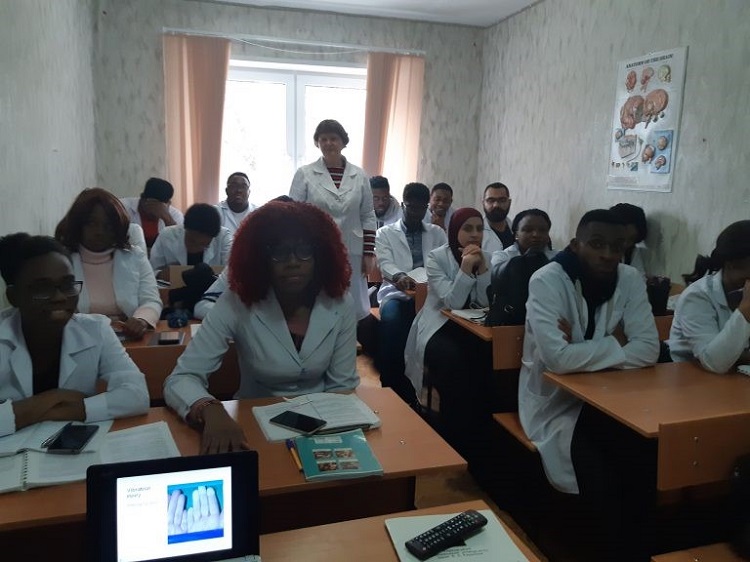
Teaching fully complies with the standards and requirements of the Ministry of Health and the Ministry of Education and Science of Ukraine, as well as with the Bologna Process.
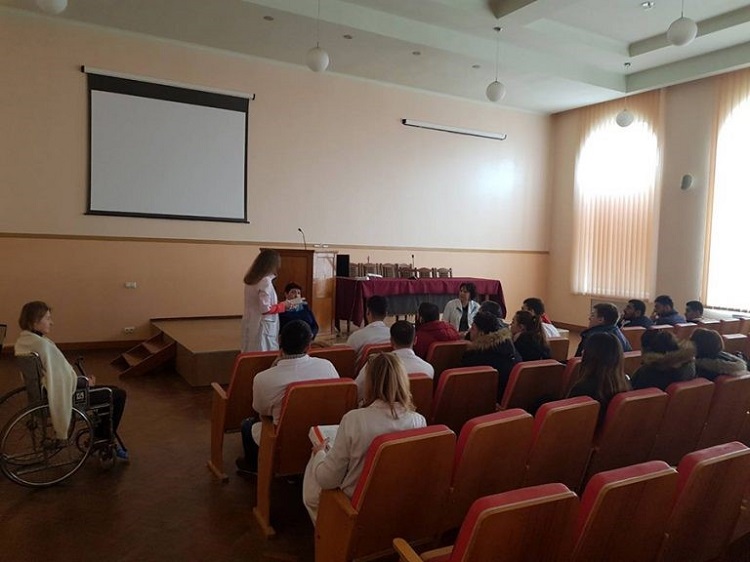 Classes are held with extensive use of multimedia technology, digital learning tools, and evidence-based instructional methods. Students are encouraged to actively participate in both clinical and research activities.
Practical training takes place in conditions as close as possible to real clinical environments. Students engage in: patient examinations, diagnostic procedures, clinical case discussions, ward rounds, symposia, consultations, conferences ensuring early acquisition of valuable professional skills.
Disciplines taught:
-
Neurology — 4th year
-
Psychiatry and Narcology — 4th year
-
Medical Psychology — 3rd year
-
History of Medicine — 1st year
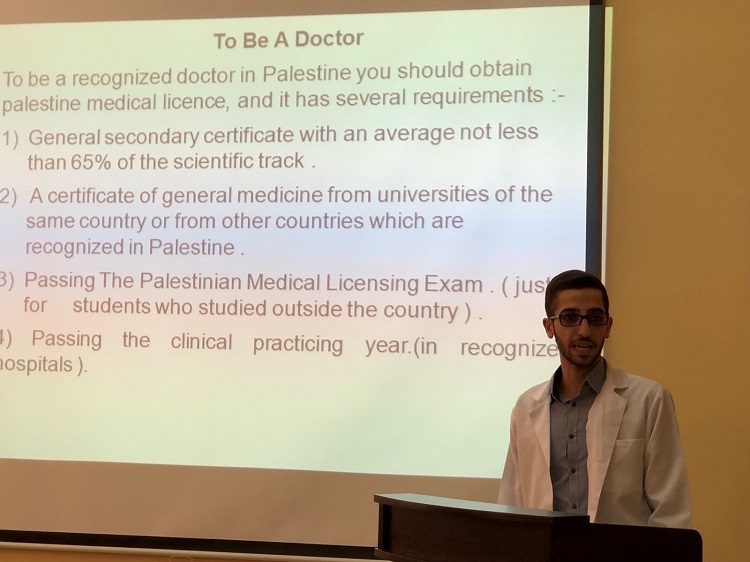
Methodological Work
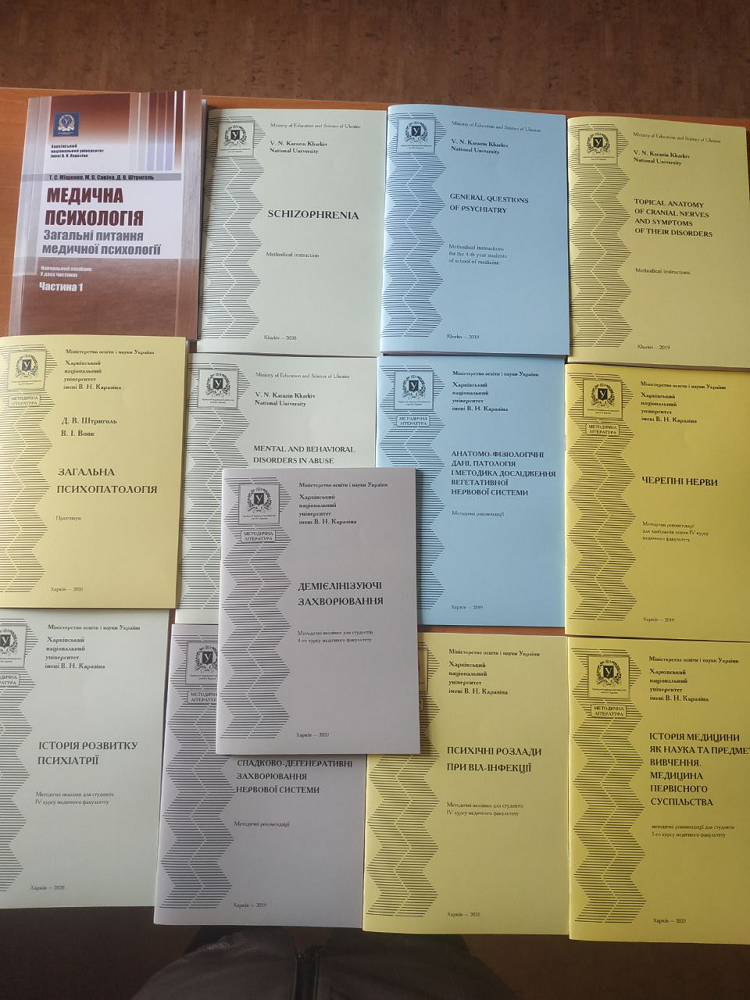
The Department develops and regularly updates methodological support for each discipline, ensuring full compliance with modern standards of medical education and qualification characteristics of future physicians.
Educational materials are available: online, on the School of Medicine's internal network, in print
Over 10 teaching and methodological publications have been prepared and approved by the University’s Academic and Methodological Council.
Scientific Research
Research has been conducted at the Department since its establishment, addressing the most pressing challenges in neurology, psychiatry, narcology and medical psychology.
One key focus is cognitive impairment, a growing medical and social concern associated with aging populations. Cognitive disorders are common in post-stroke states, chronic cerebrovascular disease, multiple sclerosis, Wilson’s disease, various psychiatric conditions, and substance-use disorders.
The Department implements a joint scientific project:
“Investigation of cognitive function characteristics in individuals with various neurological and psychiatric diseases to improve diagnostic and therapeutic approaches.”
Research is conducted in multiple healthcare and diagnostic institutions, primarily at the Institute — the Department’s clinical base — in collaboration with medical research centers across Ukraine.
📌 Scientific leadership:
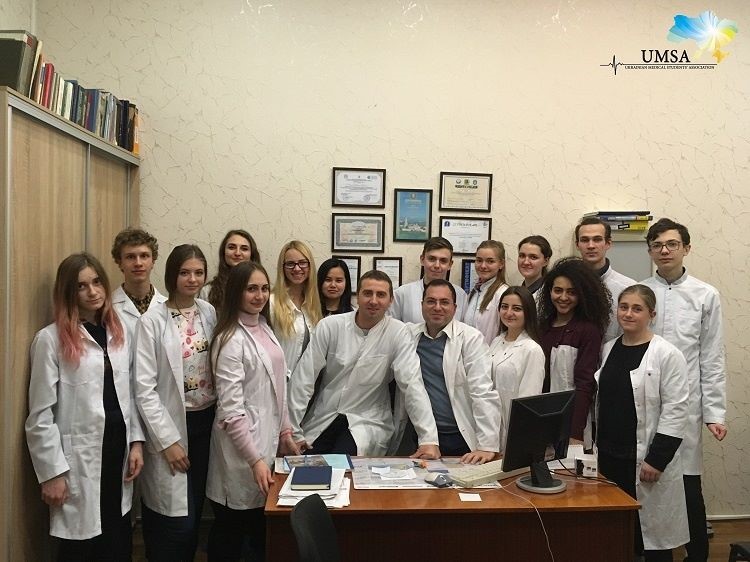
Professor Tamara S. Mishchenko — Doctor of Medical Sciences, Honored Worker of Science and Technology of Ukraine, Academician of the mental health division of the Academy of Higher Medical Education of Ukraine, Deputy Head of the Ukrainian Association of Neurologists, Psychiatrists and Narcologists, Vice President of the Ukrainian Stroke Association.
The Department’s scientific capacity includes:
-
6 Doctors of Medical Sciences
-
16 PhDs in Medicine
Staff members are active in national and international professional associations, and have been recognized with numerous awards by the NAMS of Ukraine, the Kharkiv Regional State Administration, and specialized medical societies.
Scientific Publishing and Student Research
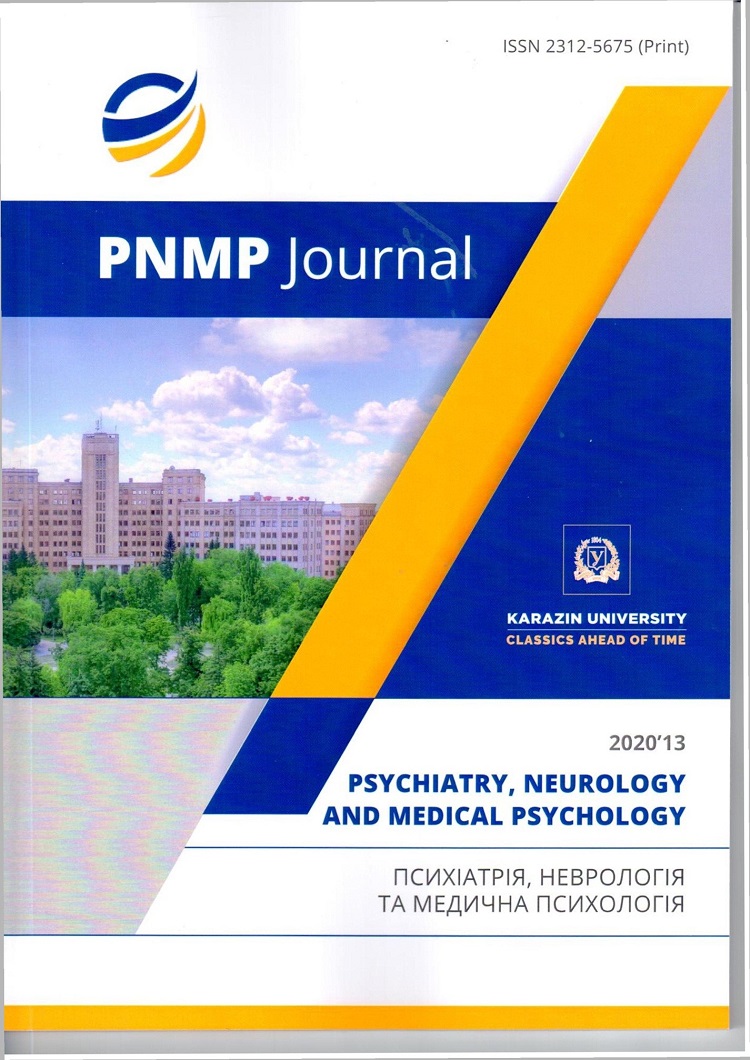
Since June 2019, the Department has published the international scientific and practical journal:
“Psychiatry, Neurology and Medical Psychology” (ISSN — Karazin University).
The journal is included in the official list of Ukrainian scientific professional publications:
-
Category B — medical sciences (Neurology, Psychiatry, Narcology, Medical Psychology)
-
Psychology — specialization Medical Psychology
It publishes original research, reviews, case reports, historical analyses, reports on neuroscience education, and professional healthcare management studies.
The Department has organized over 10 scientific and practical conferences, and its faculty regularly present at national and international forums. Publications appear in monographs, textbooks, and journals, including those indexed in Scopus and Web of Science.
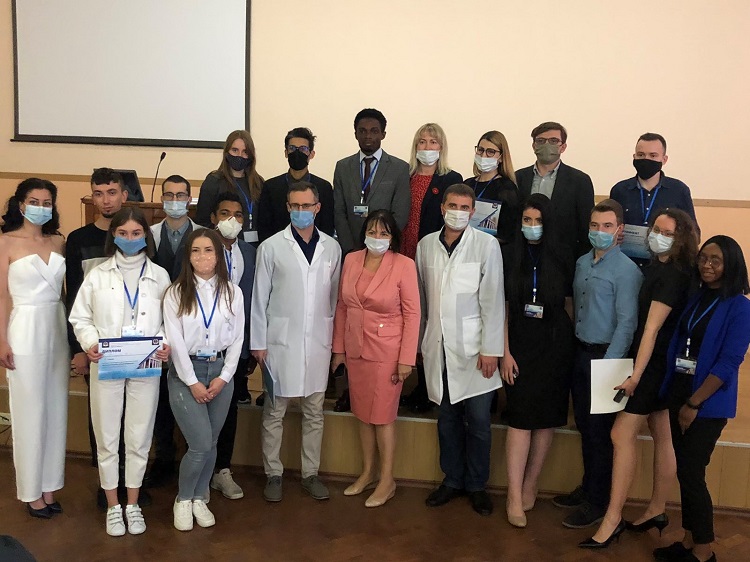
Student scientific engagement is an integral part of the Department’s mission. Members of the student research group participate in clinical case discussions, conferences, forums, symposia, and collaborative studies.
More than 50 students have presented their work at 16 Ukrainian and international conferences, and two students received international grants for training abroad.
Outstanding student researchers include:
T. M. Sazonova, D. O. Kutikov, O. B. Delich, V. V. Hvozd, Yu. H. Zhadan, V. V. Shepel, and others.