


Karazin University Honored the Fallen and Opened a Photo Exhibition about the University during the War
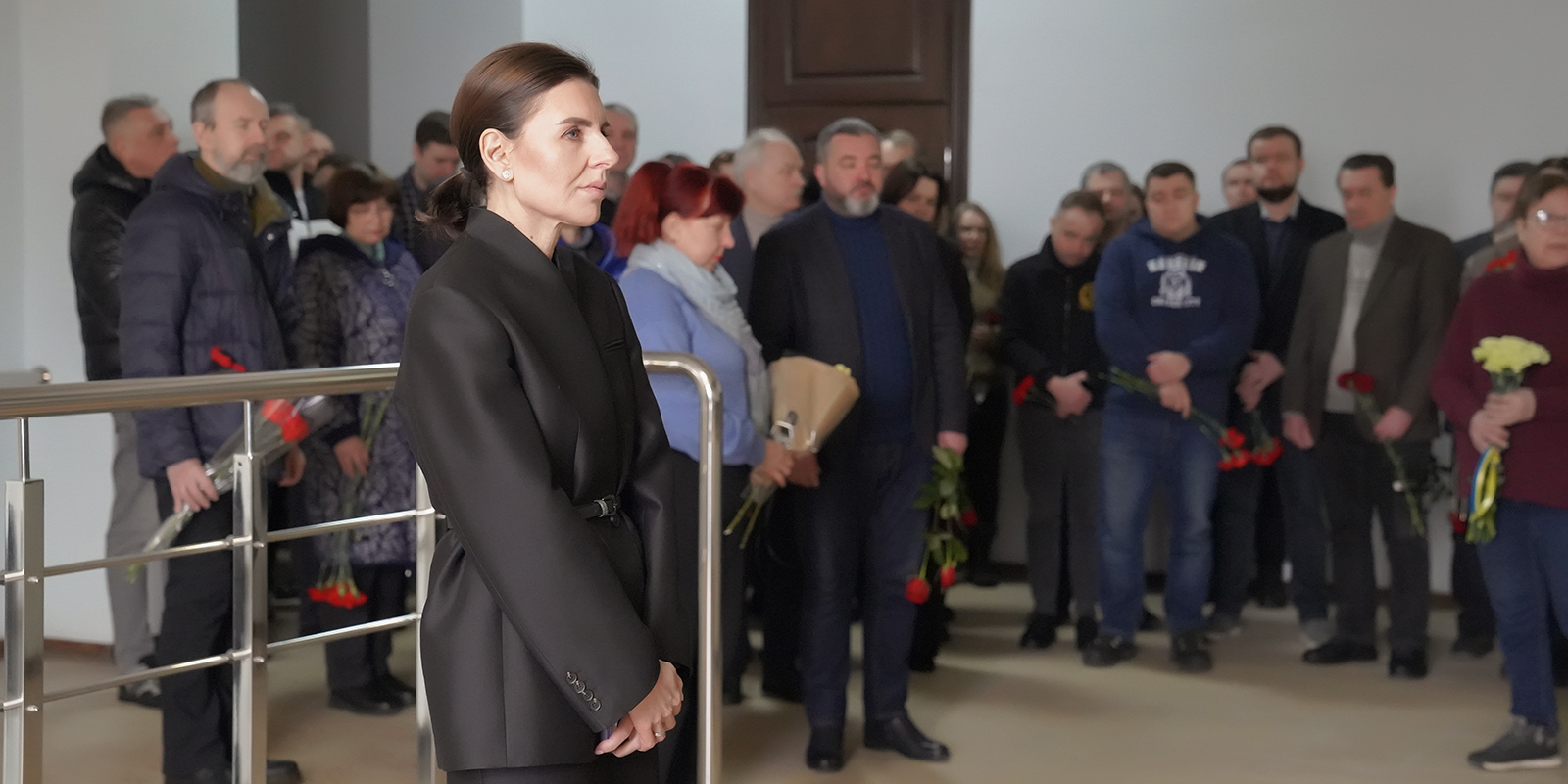
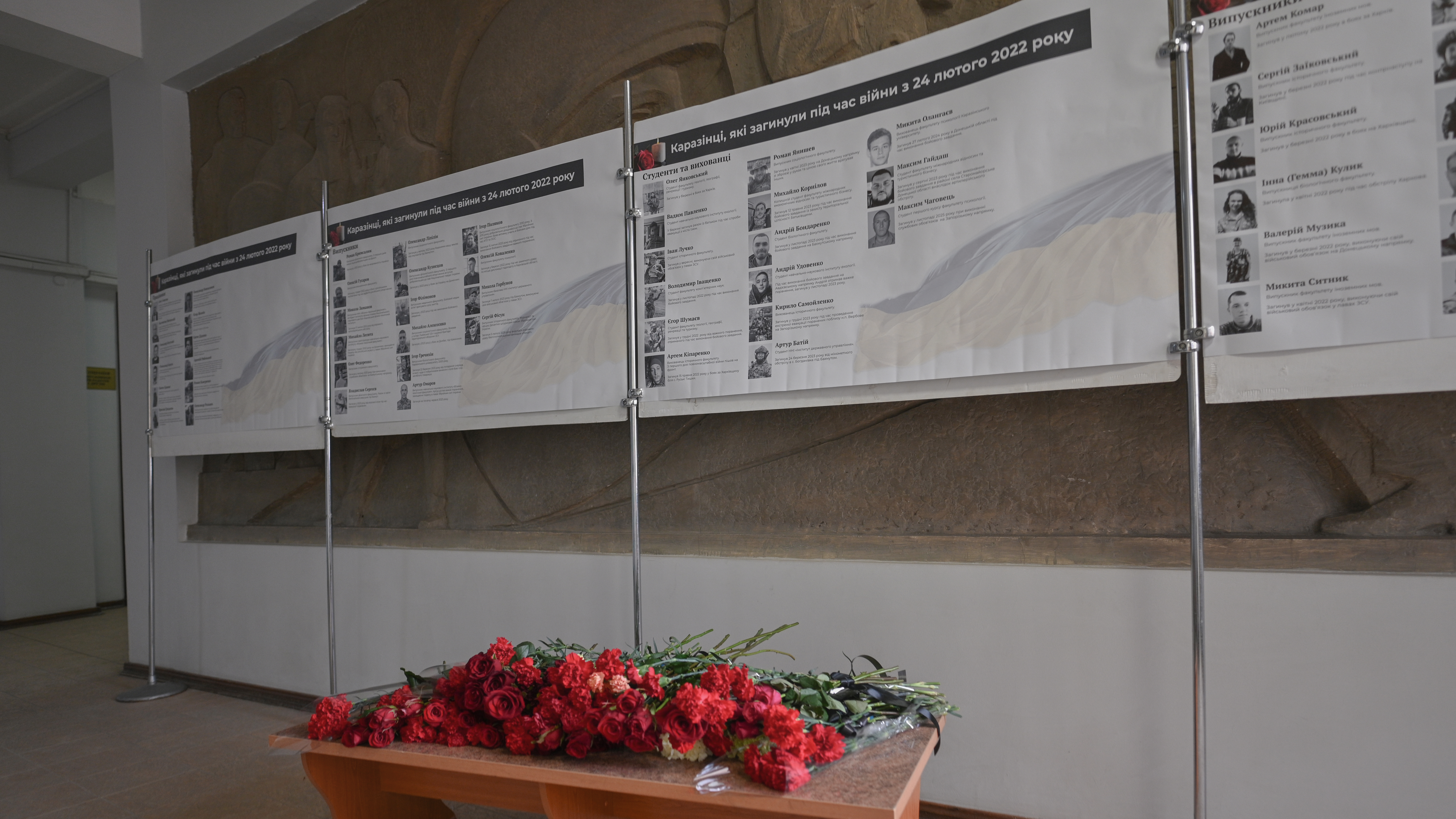
At V. N. Karazin Kharkiv National University, a flower-laying ceremony took place at the memorial plaque dedicated to members of the Karazin community who lost their lives during the Russian–Ukrainian war. The university administration, students, faculty, and staff gathered to honor the fallen with a minute of silence and words of gratitude.
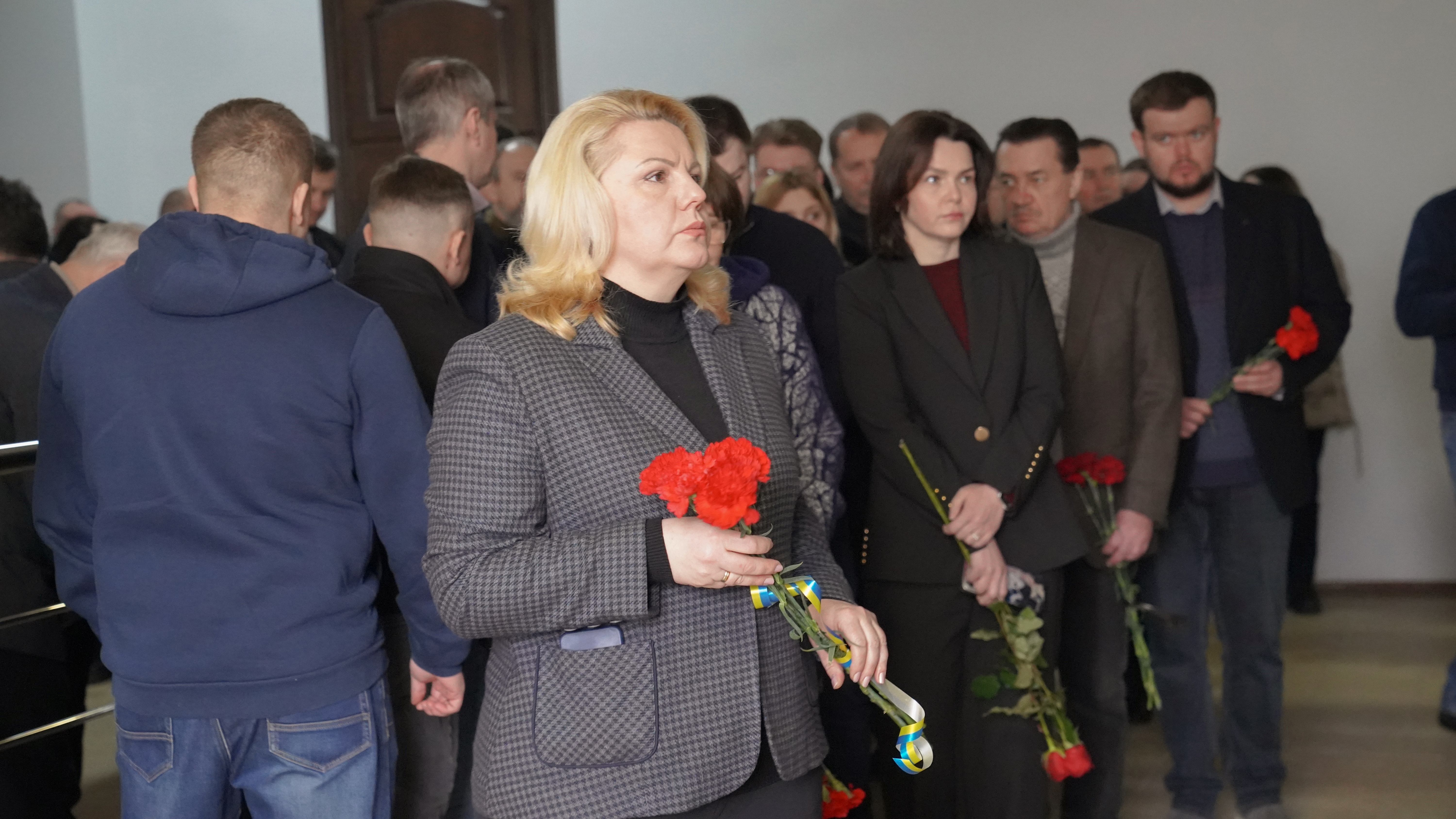
During the ceremony, participants remembered those who took up arms to defend Ukraine, as well as those whose lives were taken by the war. “24 February divided our lives into two parts,” emphasized the Rector of the University, Tetyana Kaganovska, in her speech. She admitted that every year, on the eve of this date, memories return to the morning that changed everything: “We could not believe that a full-scale war was possible in the third millennium. But it came and began to take our people.”
The Rector recalled the first days of the invasion, when the university leadership remained at their workplaces, making decisions about student safety and preserving the institution. “We understood that we bore enormous responsibility for our students, especially international students who needed to be evacuated. We organized ourselves, searched for transport and food, and reported daily on how many people we had managed to move to safer places.”
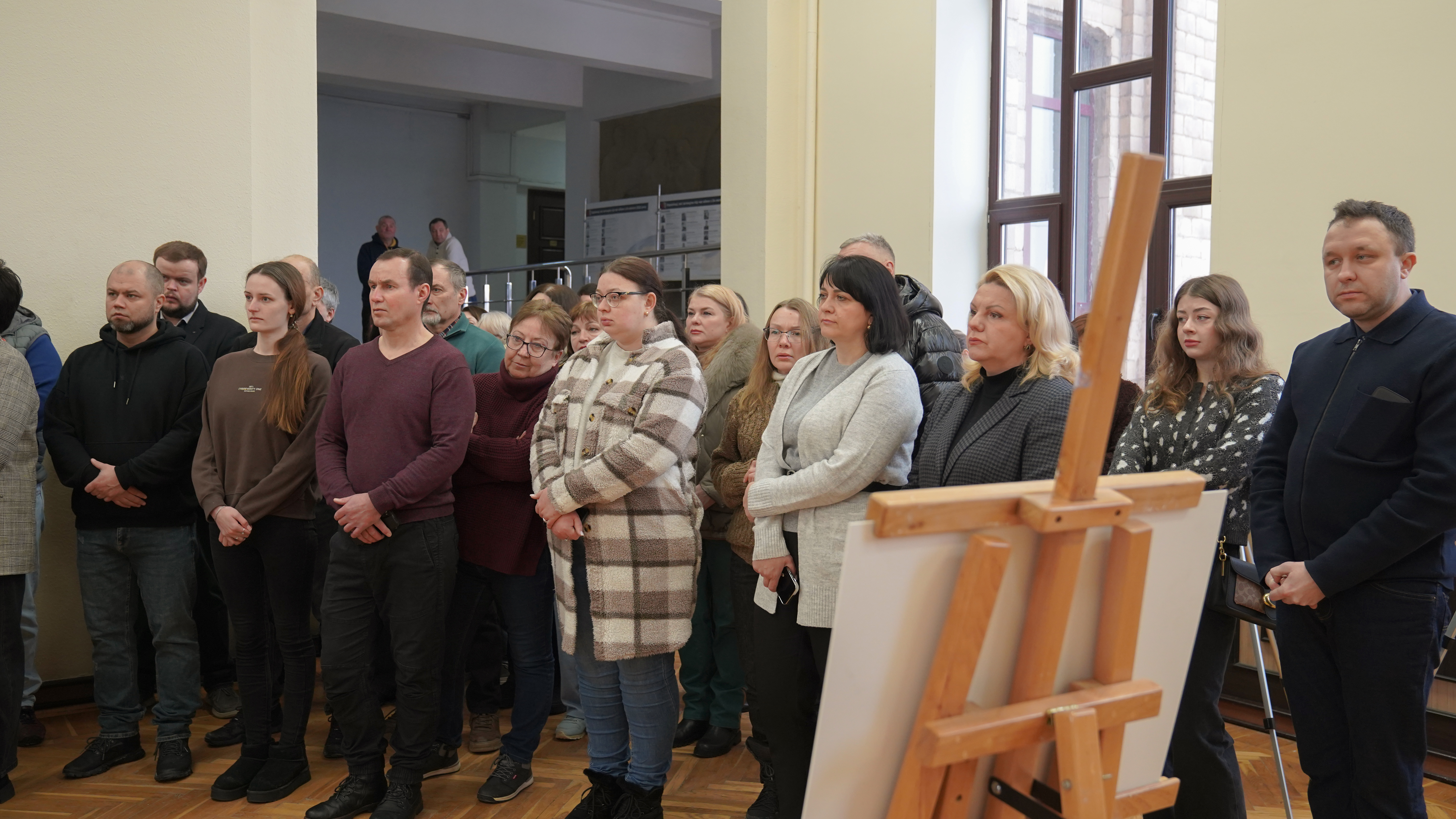
Special words were dedicated to Karazin community members who were killed at the front. “We want to promise them that we will be worthy of their sacrifice. That we will live, work, and rebuild. And most importantly, we must preserve our country. Their memory will remain in our hearts,” the Rector noted.
To mark the fourth anniversary of the full-scale invasion, the University opened a photo exhibition featuring works by photographers Viktoriia Yakymenko, Mykhailo Protsenko, Diana Kurhanova, and Vitalii Pelykh. The exhibition portrays life at Karazin University since 24 February 2022: damaged buildings, empty classrooms, volunteer initiatives, the evacuation of students, and moments of support and unity.
“Here, in these photographs, is our history. When you look at the first images, it felt as if your hands might drop in despair. But the University endured because there were true friends and like-minded people by our side,” the Rector emphasized.
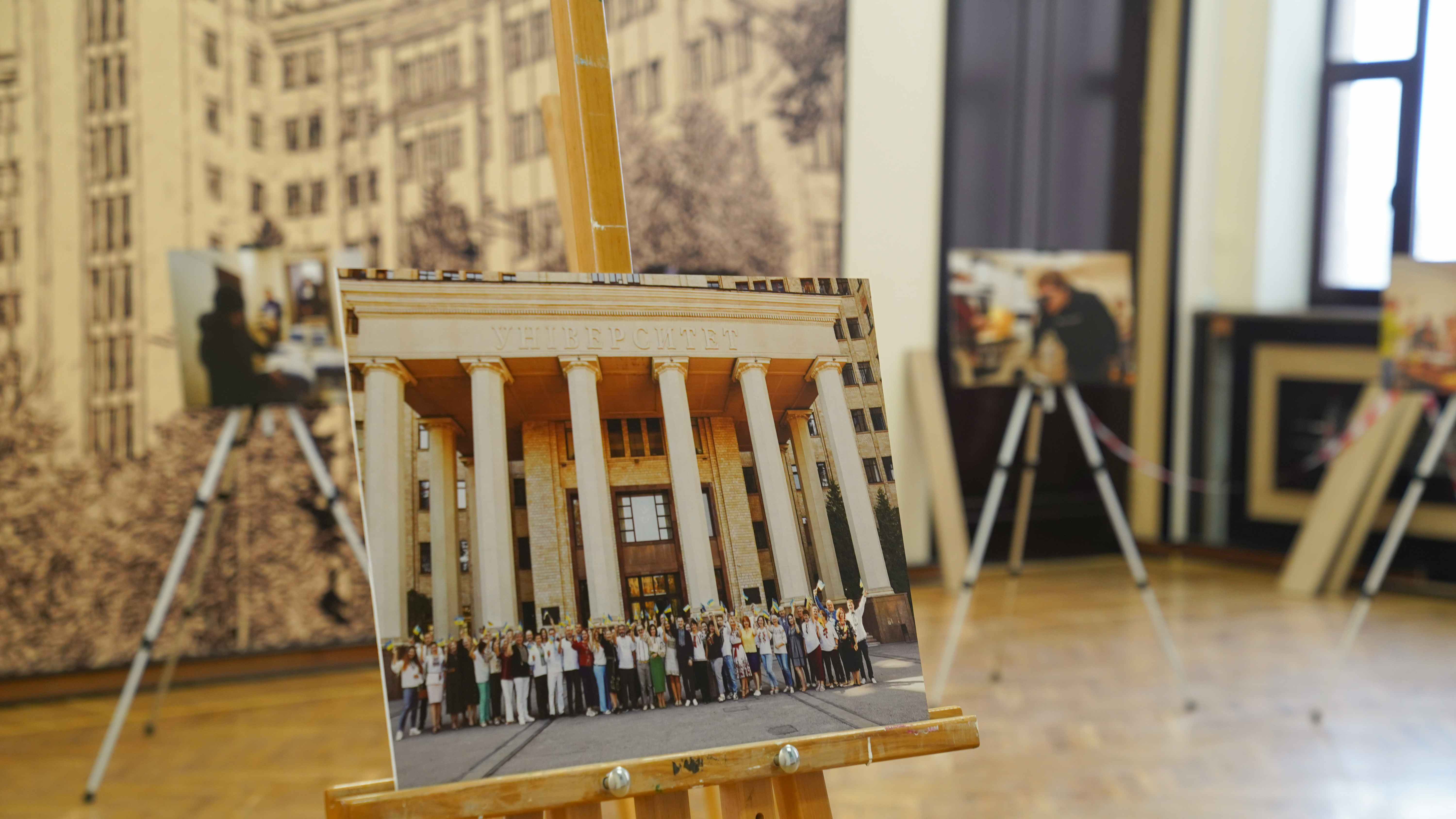
The photographs serve not only as documentary evidence of destruction but also as proof of the strength of the university community. Today, Karazin University is a family that supports one another, shares pain and joy, stands together, and continues to work for the future.
The memory of fallen Karazin community members is not only a matter of mourning, but also a responsibility to live and act in a way that ensures their sacrifice was not in vain.

.jpg)

.jpg)
.jpg)
.png)
.png)