


Digital Literacy Training “Diia 3.0” Held at Karazin University
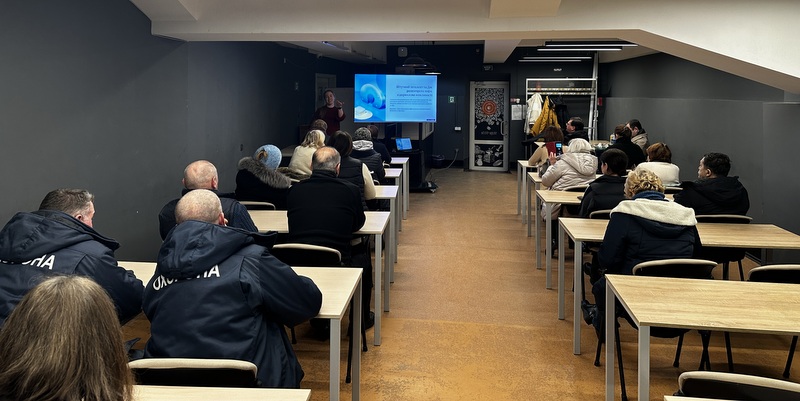
On 16 December 2025, the third series of digital education and digital literacy trainings titled “Diia 3.0” took place at V. N. Karazin Kharkiv National University. The event was organised by the Education and Research Institute of Sociology and Media Communications.
The training was aimed at enhancing participants’ digital competencies and familiarising them with modern digital tools for both professional and everyday use.
As part of the programme, participants explored the possibilities of the e-Card (yeKartka), including the types of state payments available through it, such as pensions, assistance for internally displaced persons, subsidies, the e-Support (yePidtrymka) programme, and other forms of social support. Practical aspects of using the e-Card to receive state assistance were also discussed.
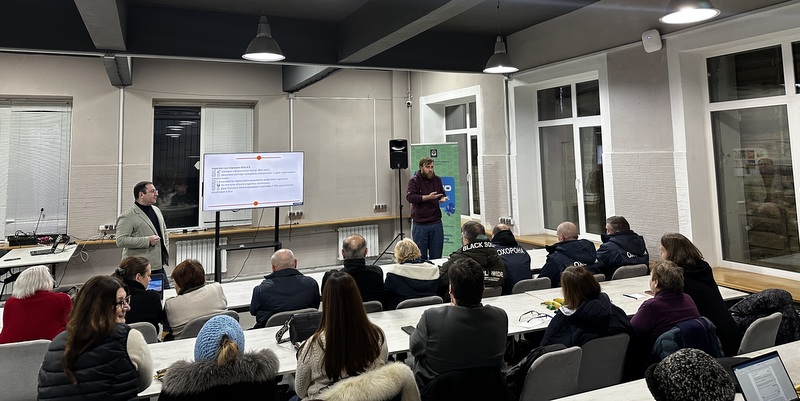
Special attention was paid to an overview of updates to the Diia 4.0 application. Participants were introduced to new features launched since December 2023, as well as to the app’s integration with other state registers, including driver’s licences, business registration, and social benefits.
An important component of the training was introducing participants to the basics of artificial intelligence in a simple and accessible way. During the sessions, attendees learned how AI algorithms function in everyday life, particularly in the “smart” features of modern smartphones, such as photo processing, voice assistants, and image and speech recognition systems.
The trainers also explained the principles behind recommendation algorithms used by popular online services such as YouTube and Netflix, as well as the use of chatbots for obtaining reference information and user support. In addition, examples of AI applications in government digital services, including the Diia and Diia.Education platforms, were presented and their potential for learning and professional activities was discussed.
A distinct practical outcome of the event was support for participants with limited access to digital technologies. Within the training framework, two smartphones and mobile starter packs were provided to those in need. This enabled participants to immediately apply the acquired knowledge in practice, use government digital services, and stay connected. The initiative contributed to reducing digital inequality and increasing participants’ engagement in the digital environment.
The trainings were held in safe spaces at the University and took place in a friendly and informative atmosphere. Participants highlighted the relevance of the topics and the practical value of the knowledge gained, emphasising the importance of developing digital literacy in the face of modern challenges.
.jpg)
Moreover, after completing the training programme, participants will be able to receive individual consultations on the use of digital services and mobile applications, which will facilitate better understanding of the material and more confident use of digital tools in everyday life.
The trainings were made possible thanks to the financial support of international colleagues and partners, including participants of the Nokios Conference, the Ministry of Digitalisation of Norway, as well as through the efforts of Olena Muradian, Director of the Educational and Research Institute of Sociology and Media Communications; Oleksandra Deineko, Associate Professor of the Department of Applied Sociology and Social Communications; and Daria Yashkina, Senior Lecturer of the Department of Political Sociology.
The training sessions were also supported by Dmytro Boiko, Head of the Department of Political Sociology, as well as Ruslan Zaporozhchenko and Artem Lytovchenko, Associate Professors of the same department.
%20(1).png)
%20(1).jpg)

.jpg)
.png)
%20(1).jpg)
.png)