Internationalisation and Grant Writing: Karazin University Launches Micro-Credential Programme for Staff
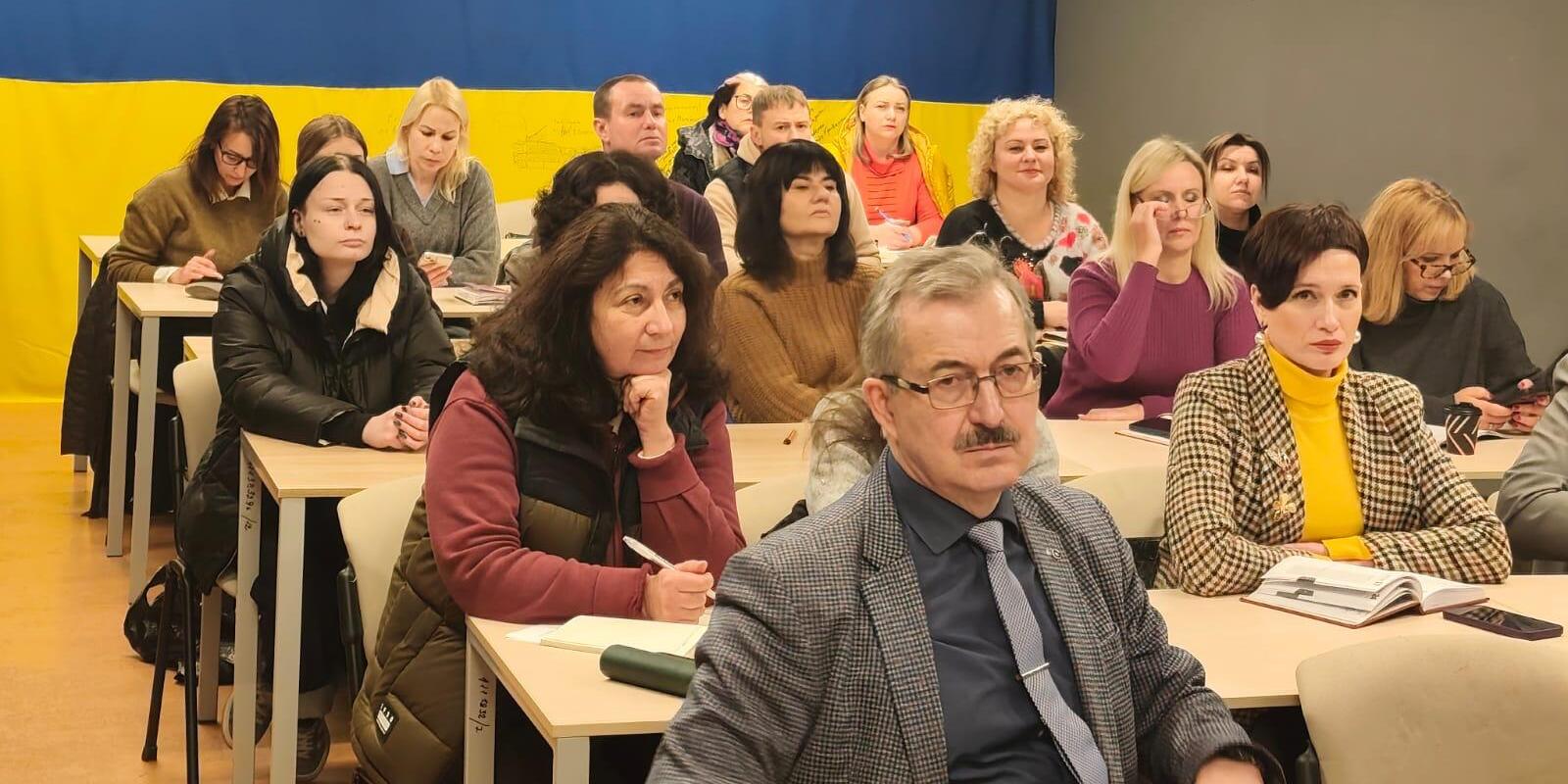
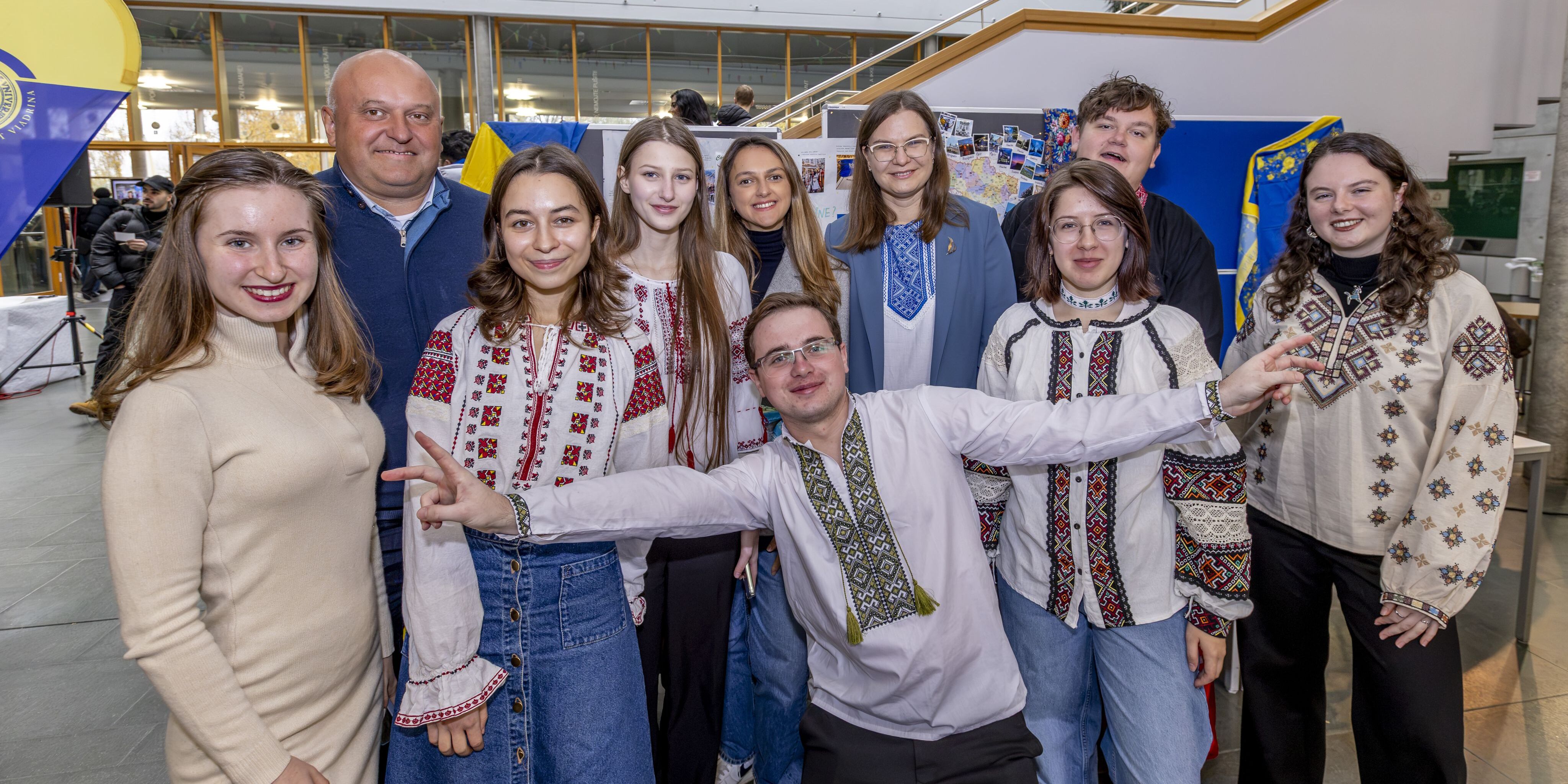
Karazin University has launched a micro-credential programme entitled “International Competence for Managers and Coordinators of University Units: EU Policies, Project Management and Digital Practices of Internationalisation.” The first cohort comprises 57 staff members representing most of the University’s schools and educational and research institutes, as well as other structural units.
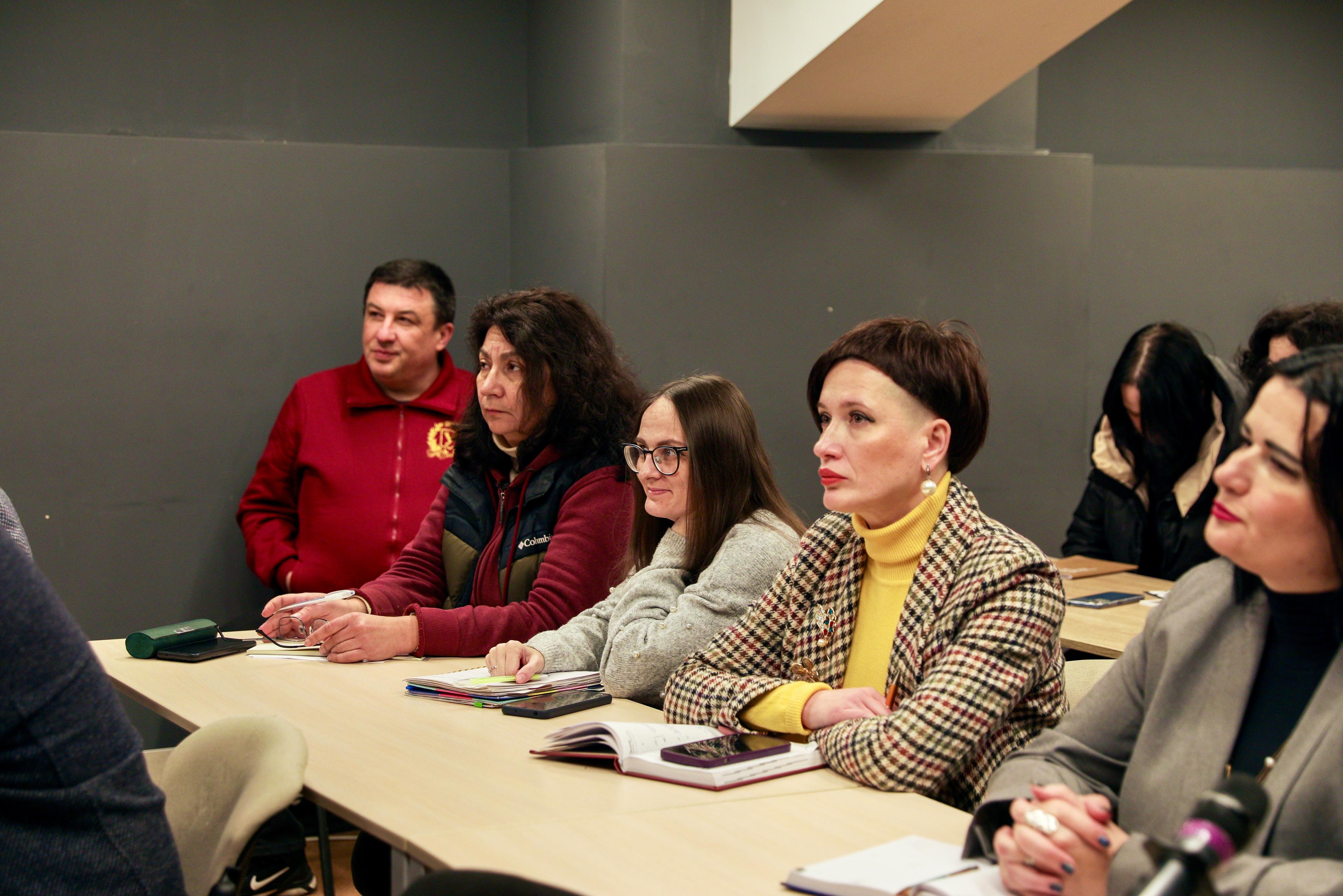
Iryna Shtemiller completed training at Leibniz University Hannover within the framework of the MInT-Ukraine project, implemented with the support of the German Academic Exchange Service (DAAD). Drawing on the knowledge and experience gained during the training, she developed a micro-credential programme for Karazin University staff, adapting the acquired expertise to the needs of the University’s structural units.
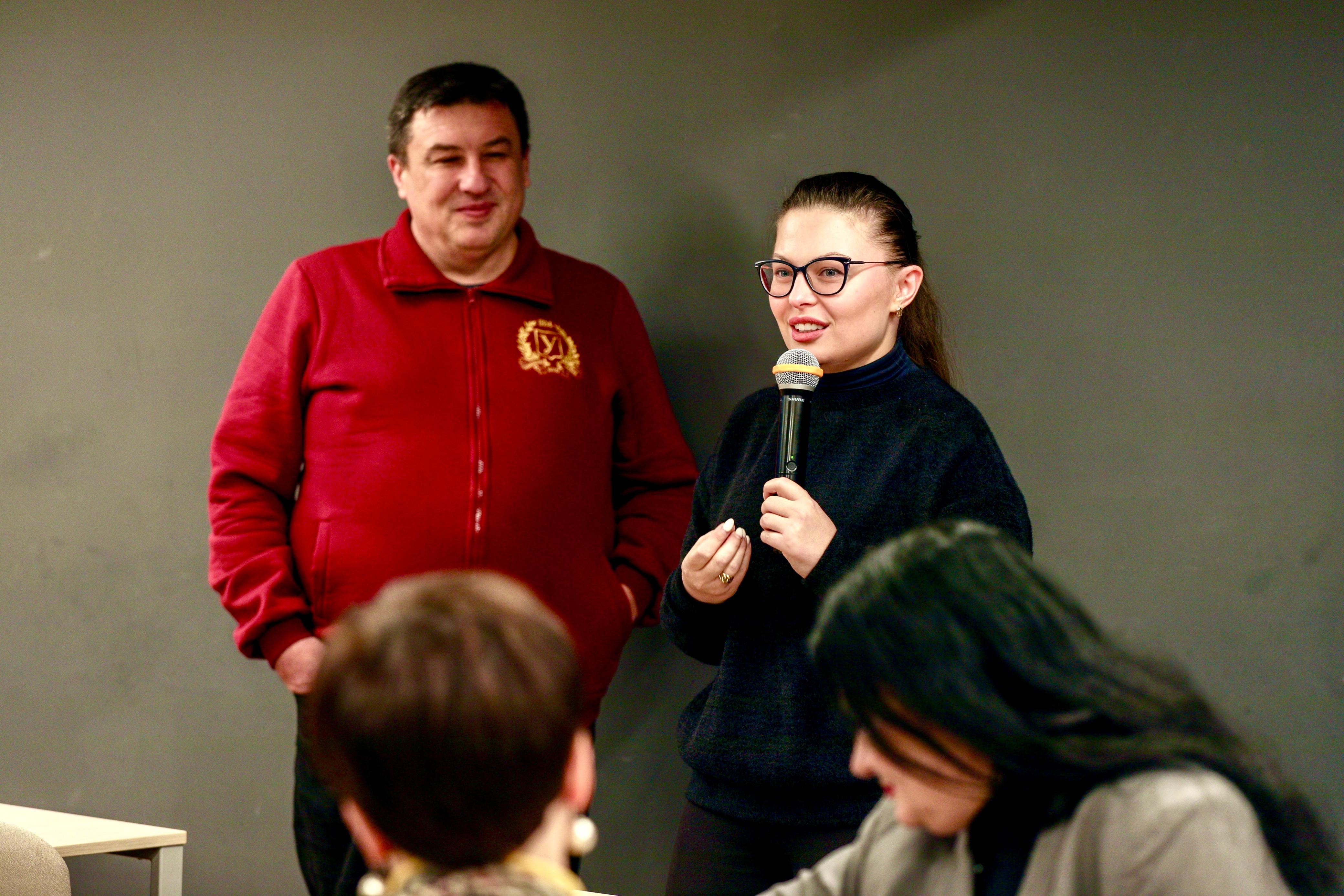
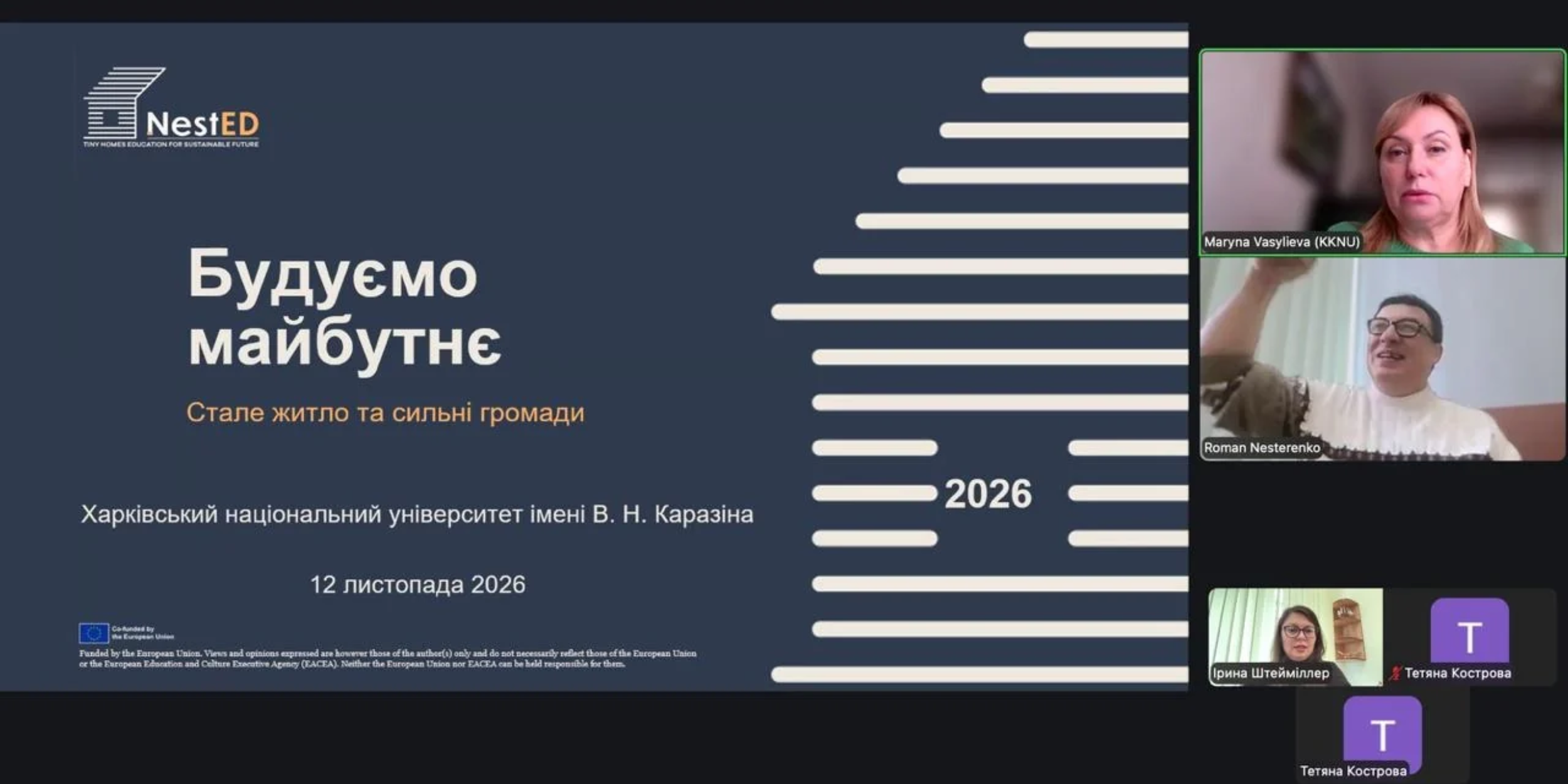
Iryna Shtemiller, Head of the International Relations Office, is the driving force behind the programme, its developer and lead trainer. The training team also includes Roman Nesterenko, Deputy Head of the International Relations Office; Maryna Vasylieva, Deputy Director of the Ukrainian Engineering Pedagogics Academy Education and Research Institute; Oleksandr Kryvtsov, specialist at the International Relations Office and coordinator of international academic mobility programmes; Olha Vyhovska, Director of the Academy of Teaching Education and Research Institute; and Larysa Tiesheva, Head of the Department of Economics and Management at the School of Economics.
Participants will explore European approaches to quality assurance in higher education and the recognition of learning outcomes. They will also examine how to establish international partnerships, organise Erasmus+ credit mobility and integrate international components into educational programmes. Dedicated sessions will focus on preparing grant applications, budget planning, risk management, reporting on international projects and digital tools for managing international activities.
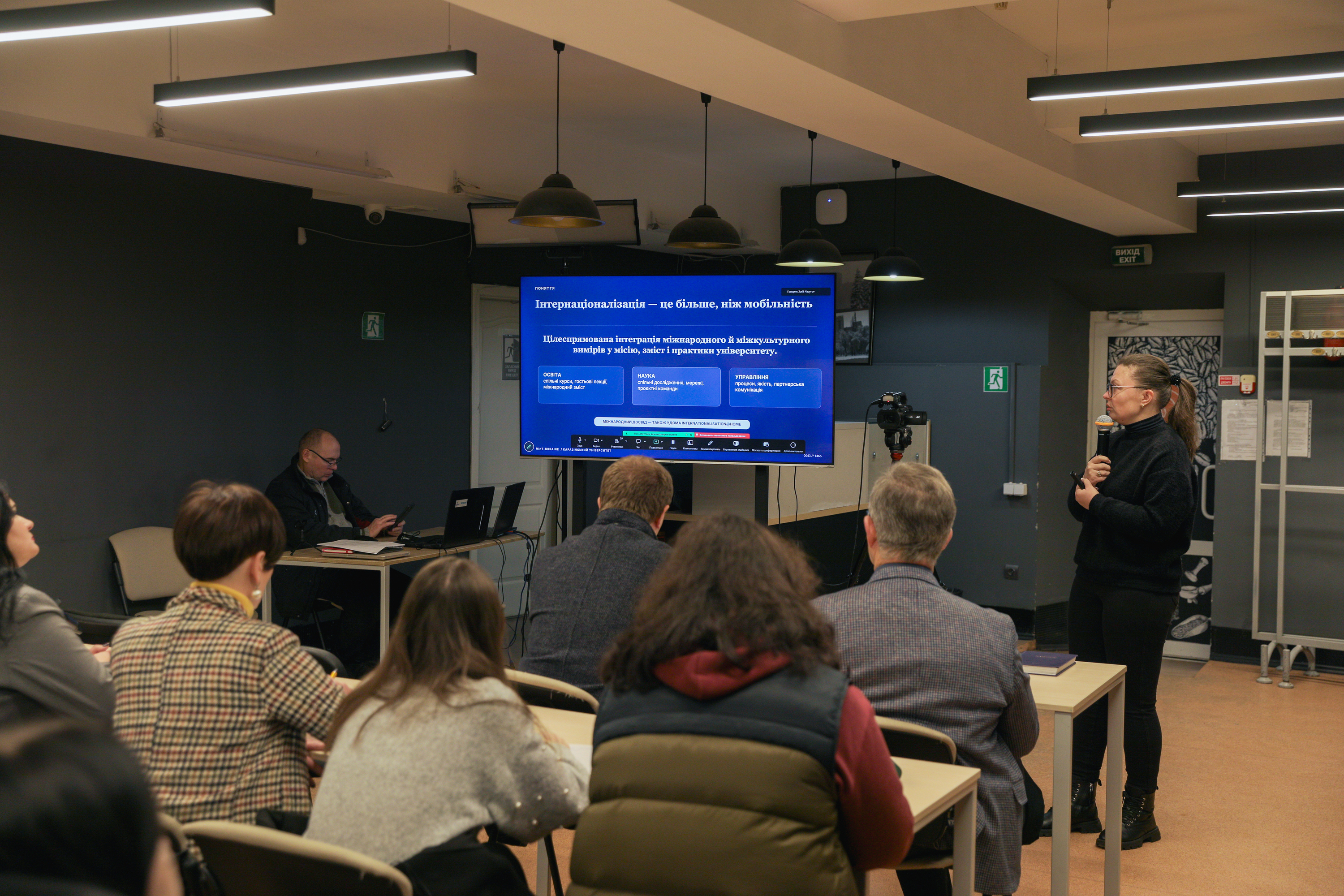
The first in-person session took place on 11 November. Iryna Shtemiller discussed with participants the role of schools, institutes and other University units in their international activities. As part of their first practical assignment, participants will assess their units’ potential for international cooperation, identify a priority area, and develop a plan to implement it over the next 30 days.
The programme will run until the end of December and combine in-person classes with Zoom sessions. It is worth 4 ECTS credits. Upon completion, participants will present a portfolio and proposals for developing international cooperation within their respective units.