Karazin University at the MSCA Presidency Conference 2026: The Future of Research Careers and 30 Years of European Research Mobility

How can we ensure the resilience of research careers, preserve research capacity and expand opportunities for international academic mobility in the face of global challenges? These are the key questions at the heart of the MSCA Presidency Conference 2026, one of Europe’s major events dedicated to the development of research careers and the future of the Marie Skłodowska-Curie Actions (MSCA) programme. Iryna Shteimiller, Head of the International Relations Office at V. N. Karazin Kharkiv National University, PhD in Education, and Ukraine’s MSCA National Contact Point under the EU’s Horizon Europe programme, joined the international dialogue.
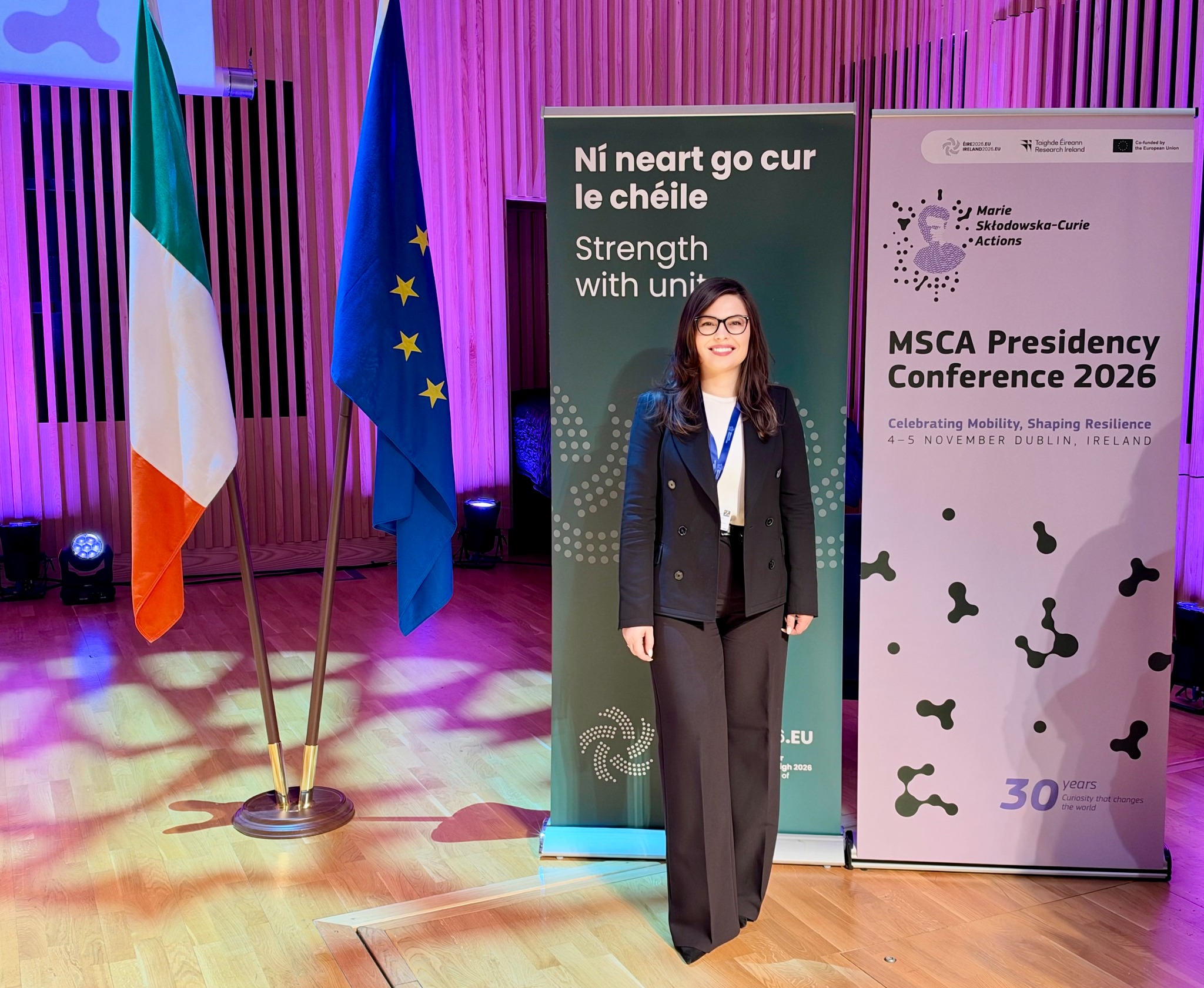
The conference, entitled “Celebrating Mobility, Shaping Resilience”, is taking place on 4–5 November 2026 at Technological University Dublin (Ireland), as part of Ireland’s Presidency of the Council of the European Union. The event is organised by Ireland’s Department of Further and Higher Education, Research, Innovation and Science and Research Ireland, with co-funding from the European Commission.
This year’s conference marks the 30th anniversary of the Marie Skłodowska-Curie Actions, one of the European Union’s leading instruments for supporting researchers and promoting international, intersectoral and interdisciplinary cooperation. Over the past three decades, MSCA has contributed to researchers’ professional development, doctoral and postdoctoral training, and the establishment of international research networks.
The event brought together around 250 representatives of European institutions, universities, research organisations, government authorities, research funding bodies and businesses. The central theme of the conference, “Resilient Research Careers”, addresses issues including researchers’ professional development, academic freedom, research security, overcoming barriers to international mobility, and adapting research systems to geopolitical uncertainty.
An important part of the programme is devoted to discussions on the future of MSCA and prospects for supporting researchers under the European Union’s next Framework Programme for Research and Innovation (FP10). Participants are exploring how European institutions, universities, employers and research funding organisations can work together to create favourable conditions for sustainable research careers.
Iryna Shteimiller’s participation is particularly significant given her dual role as a representative of Karazin University and Ukraine’s MSCA National Contact Point. The NCP provides information and methodological support to Ukrainian researchers and research institutions, advises on opportunities under the Horizon Europe programme, promotes international research mobility and encourages Ukraine’s greater participation in European research initiatives.
In the context of Russia’s full-scale war against Ukraine, preserving research capacity, supporting research careers and deepening international academic cooperation are particularly important for the country. Participation in events of this kind provides an opportunity to maintain professional dialogue with the European research community, gain insights into current EU research policy priorities and expand international networks.
“Today, more than ever, it is important for the voice of Ukrainian science to be heard on the international stage. Science knows no borders, cooperation opens up new horizons, and our resilience proves that even in the most challenging times, we continue to grow, create and inspire!” emphasised Iryna Shteimiller, sharing her impressions of the conference.
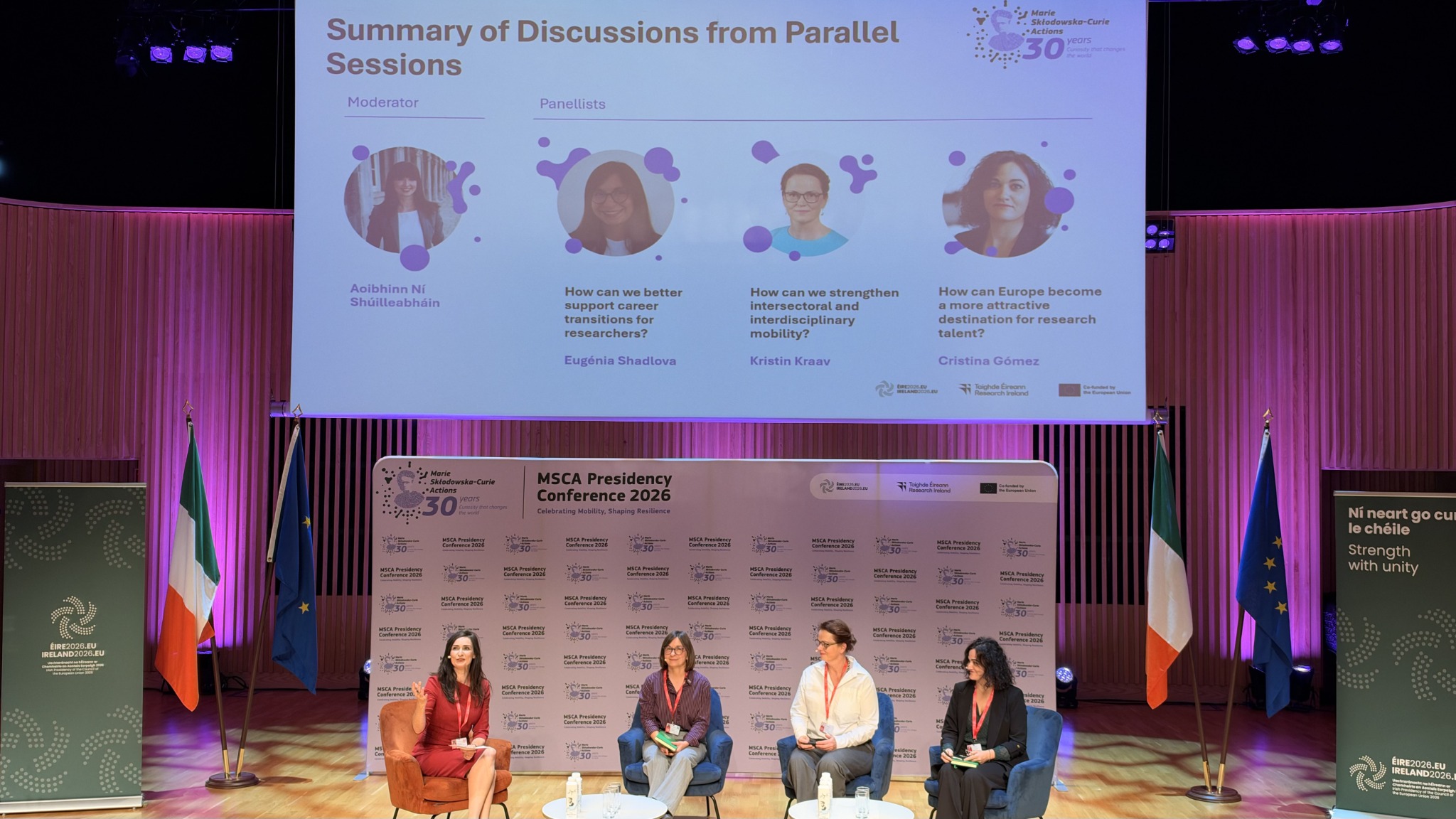
For Karazin University, participation in the MSCA Presidency Conference 2026 is an important part of its efforts to develop international research cooperation, strengthen ties with European partners and expand opportunities for the university community under the Horizon Europe programme.
Despite the challenges of wartime, Karazin University continues to integrate into the European Research Area, support international academic cooperation and promote new opportunities for Ukrainian researchers.
For more information about the conference, visit the official Marie Skłodowska-Curie Actions website.